

NUOVI ARRIVI
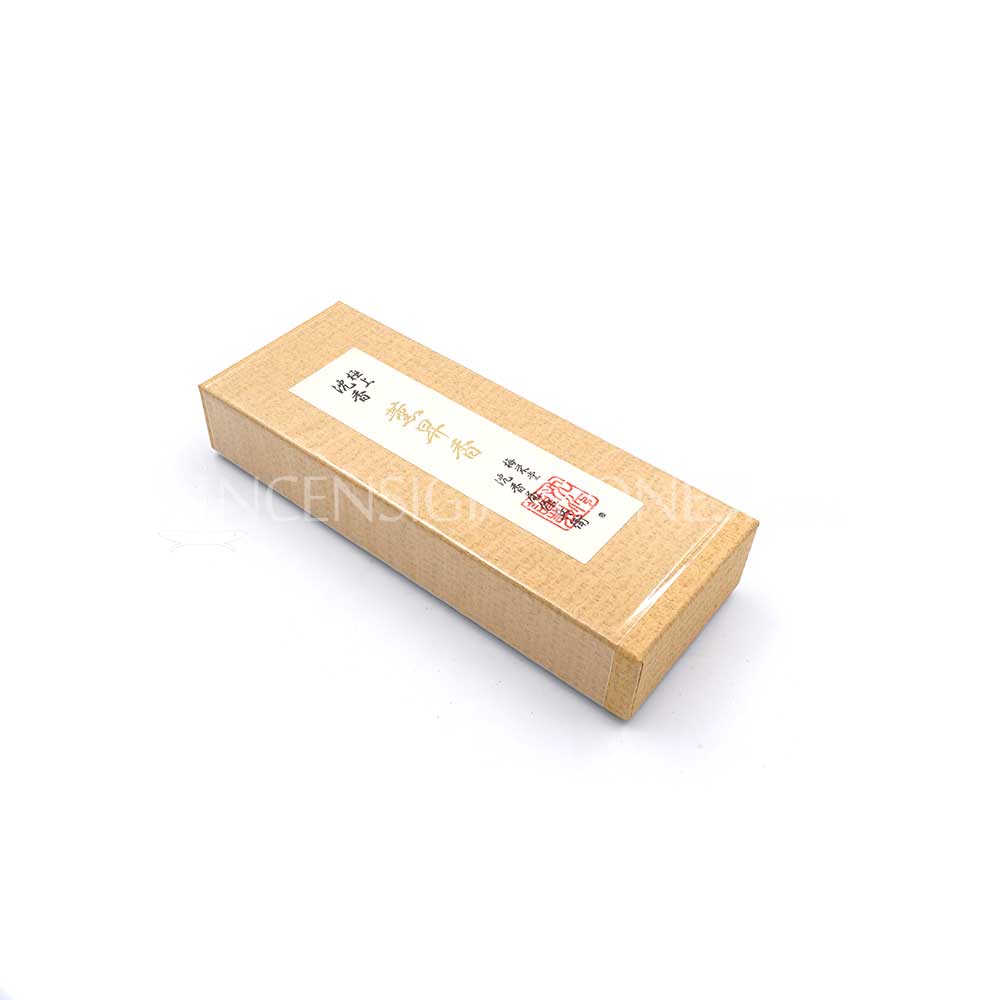
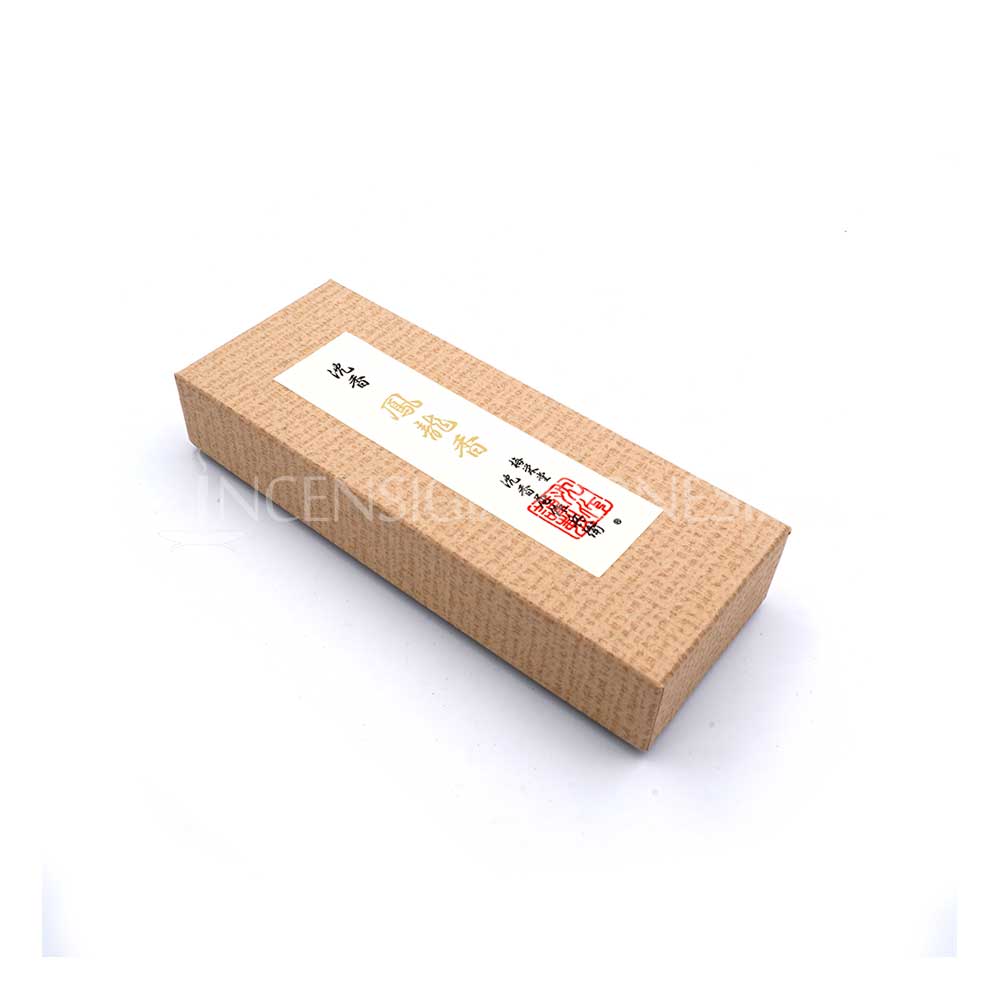
Guarda gli ulti arrivi e le novità dei nostri incensi e bruciaincenso.
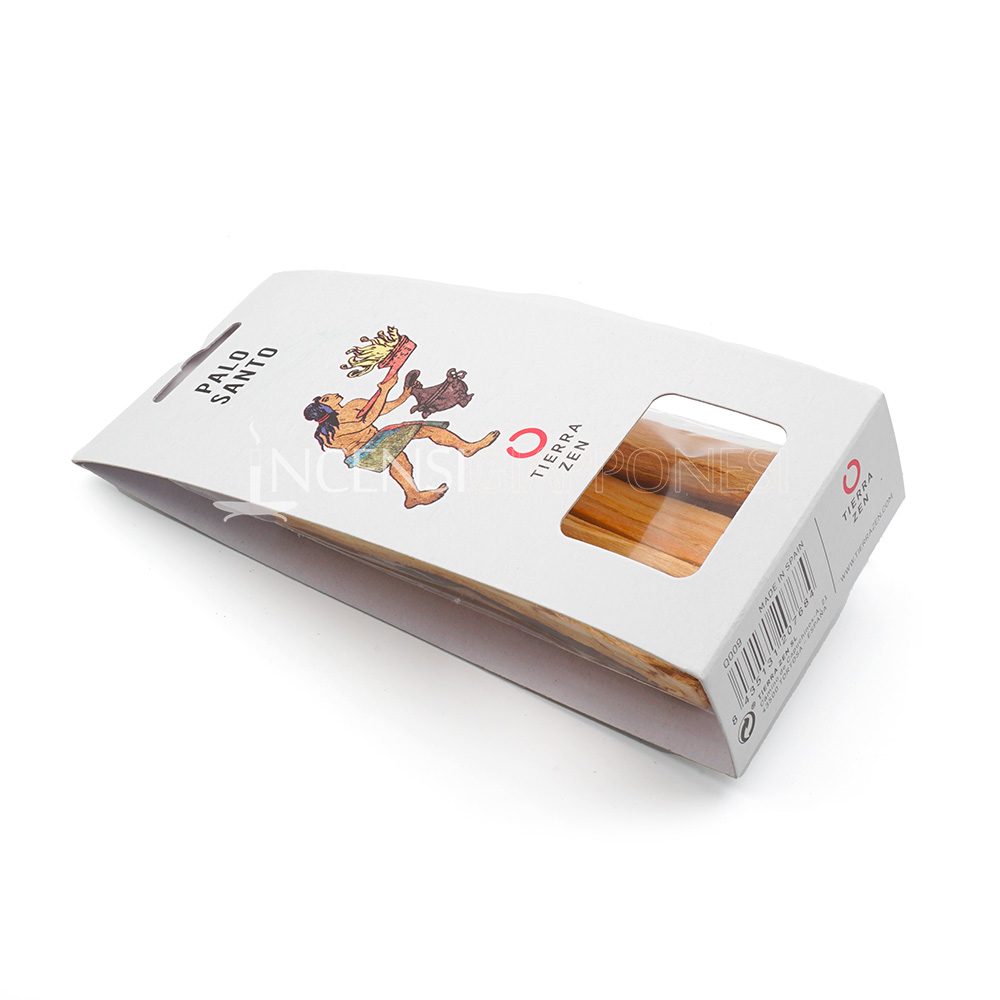
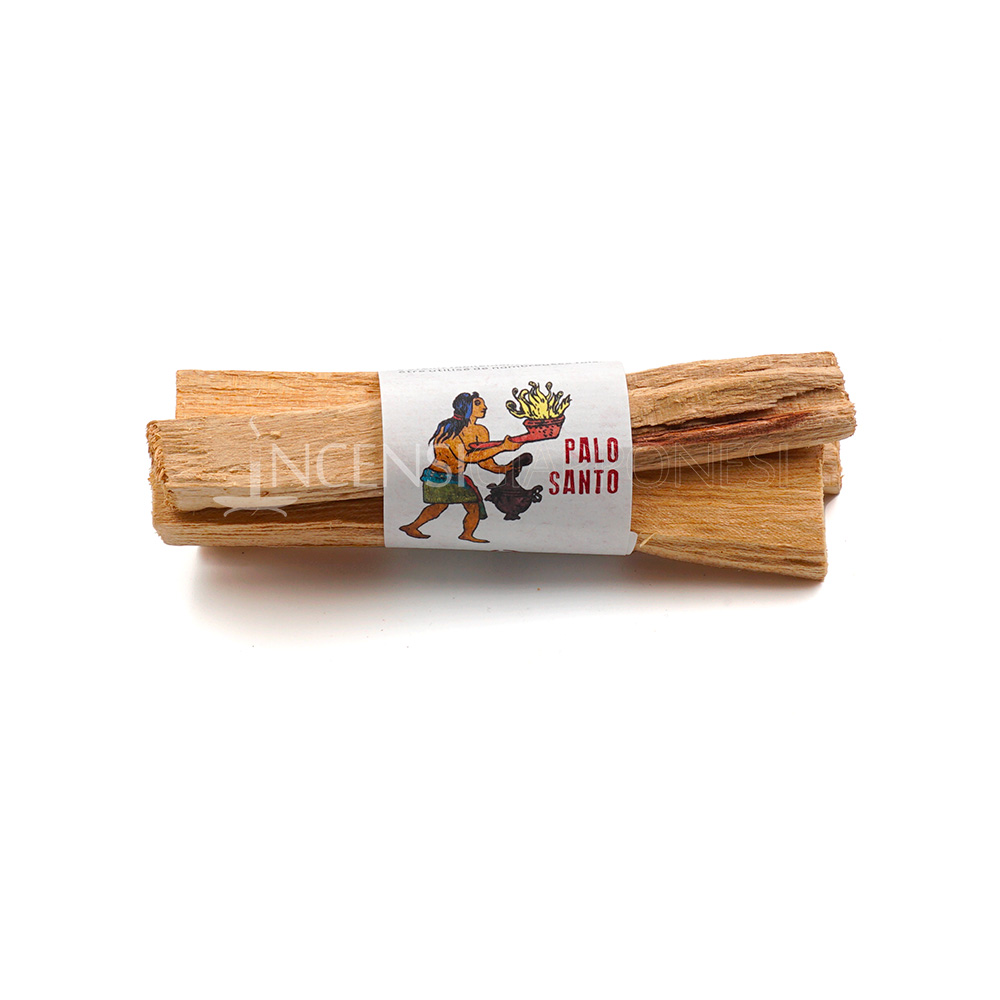
PALO SANTO
Si dice che il palo santo rimuova la negatività e gli ostacoli.
Questa pianta cresce sopratutto in Sud America e in alcune regioni dell’America centrale. Fa parte della famiglia degli agrumi, e il suo aroma ricorda anche l’odore dell’incenso e della mirra. Il palo santo ha un caratteristico profumo legnoso con sentori di pino, limone e menta. Grazie al suo alto contenuto di resina, si ritiene che rilasci le sue proprietà purificanti quando viene bruciato

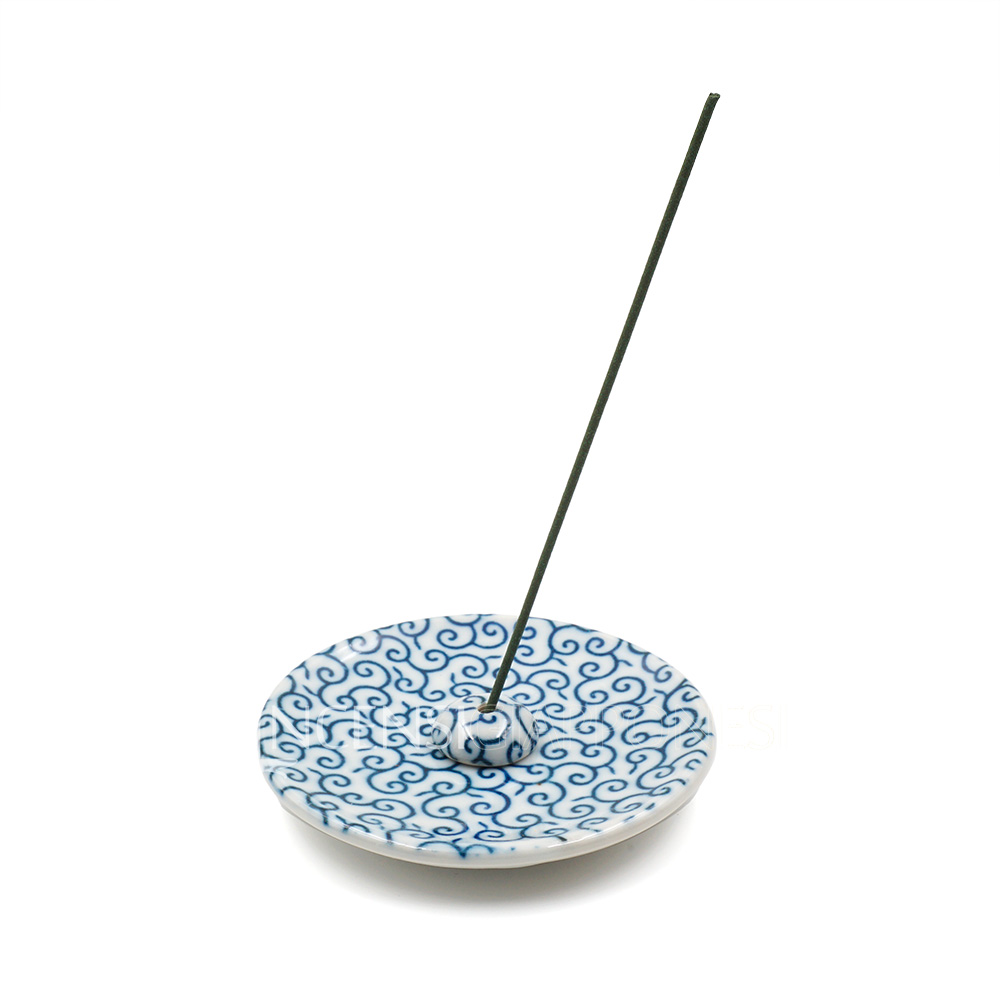



KODO – L’ARTE DI CREARE INCENSO GIAPPONESE
Kōdō (香 道, “Via dell’incenso”) è l’arte giapponese di apprezzare l’incenso e ne comporta l’uso all’interno di una struttura di condotta codificata. Kōdō include tutti gli aspetti del processo di creazione, dagli strumenti (香 道具 kōdōgu) – che, proprio come gli stessi della cerimonia del tè, sono apprezzati come arte sublime – per attività come i giochi di confronto incenso kumikō (組 香) e genjikō (源氏 香). Kōdō è considerato una delle tre arti classiche giapponesi di raffinatezza (kadō, o ikebana per la disposizione dei fiori, kōdō per l’incenso e chadō per il tè e la cerimonia del tè), ma è relativamente sconosciuto tra la gente giapponese moderna.
ARTICOLI DAL BLOG
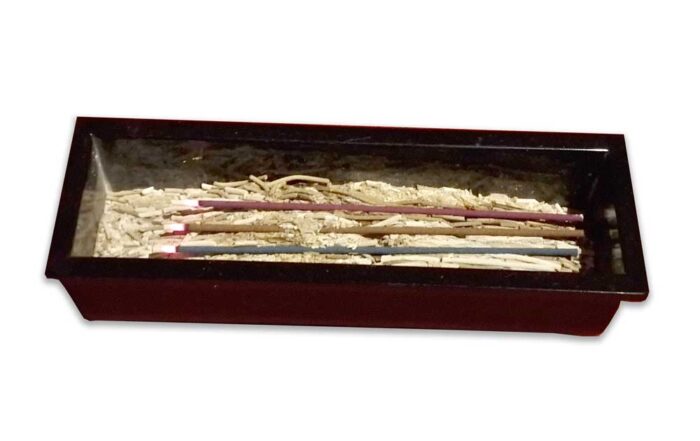
Come aumentare la persistenza di un incenso giapponese.
Come molti sanno, i bastoncini di incensi giapponesi, tra le caratteristiche più salienti e distintive rispetto all’incenso indiano o tibetano, hanno quella di emanare un profumo delicato e poco invasivo. [continua a leggere]
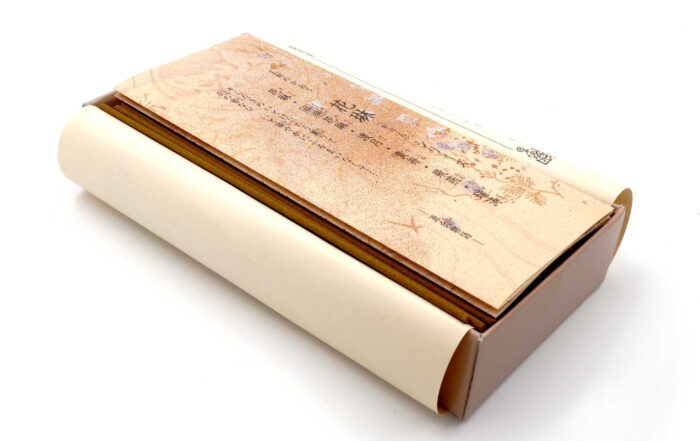
Incenso al Sandalo: un aroma benefico dall’antichità ad oggi
Attraverso il tempo e molte culture l'incenso al legno di Sandalo è giunto fino ai giorni nostri, utilizzato addirittura nella medicina cinese tradizionale sotto forma di olio per le [continua a leggere]
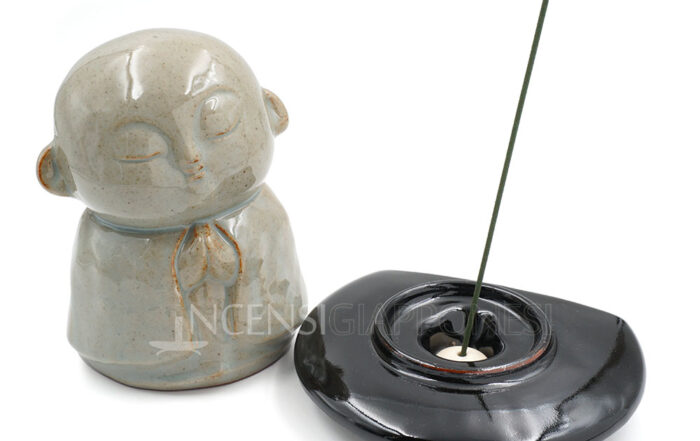
Incenso per profumare casa
INCENSO PER PROFUMARE CASA L'incenso per profumare la casa è una ottima idea, forse poco conosciuta ma molto efficace. A differenza dei profumatori per la casa, che spesso emanano un [continua a leggere]
Incenso e allergie respiratorie
Incenso e allergie respiratorie Le allergie respiratorie sono una patologia di cui occorre tener conto quando si respirano sostanze potenzialmente sensibili e/o controindicate per l'eventuale disturbo e la precauzione [continua a leggere]
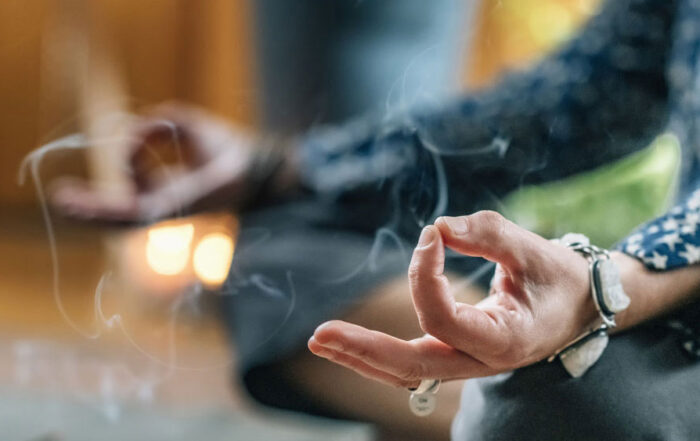
I 5 migliori incensi per la meditazione
5 MIGLIORI INCENSI PER LA MEDITAZIONE L’incenso giapponese viene comunemente utilizzato durante la pratica di meditazione, al fine di favorire l’apertura della mente e raggiungere la calma necessaria per una [continua a leggere]
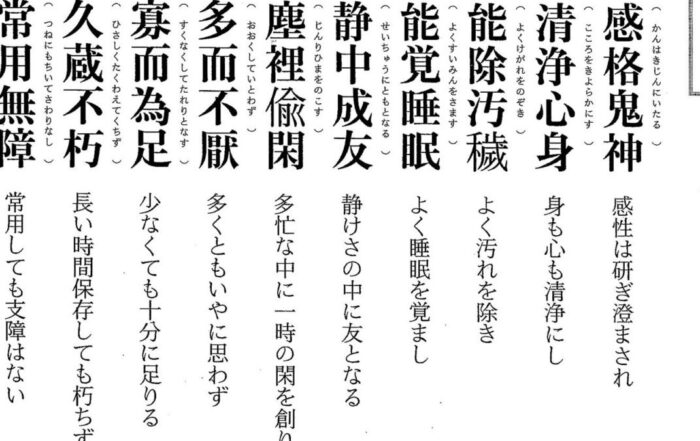
Le dieci virtù dell’incenso
LE DIECI VIRTU' DELL'INCENSO La storia Quattrocento anni fa, in Giappone, un sacerdote Zen con la sua penna calligrafica dipinse una pergamena che esaltava le dieci virtù dell'incenso. Anche se [continua a leggere]
Guida su come bruciare i bastoncini di incenso giapponese
COME BRUCIARE I BASTONCINI DI INCENSO GIAPPONESE MATERIALE NECESSARIO Incenso giapponese in bastoncini (senza anima) Contenitore e/o supporto incenso Candela accesa, accendino o fiammiferi ACCENDERE IL BASTONCINO [continua a leggere]
Le 7 regole per scegliere incenso giapponese di qualità
SCEGLIERE INCENSO GIAPPONESE DI QUALITA' Scegliere incenso giapponese di qualità permette di assaporare profumi speciali e ineguagliabili 1 - L'incenso giapponese della tradizione è sempre di altissima [continua a leggere]
Come profumare casa con oli essenziali; una valida alternativa
Come profumare casa con oli essenziali; una valida alternativa Profumare casa con l'uso degli oli essenziali è certamente un metodo naturale e sano e se vuoi una guida su [continua a leggere]
Incenso giapponese di qualità
INCENSO GIAPPONESE DI QUALITA' LE REGOLE PER SCEGLIERE INCENSO GIAPPONESE DI QUALITA' 1) L'incenso giapponese della tradizione è sempre di altissima qualità. 2) Non tutte le marche di incensi [continua a leggere]
La guida definitiva per bruciare bastoncini di incenso
L'uso dell’incenso combustibile risale ad oltre duemila anni fa, epoca in cui gli egiziani erano soliti bruciarne mazzetti essiccati per diffondere piacevoli fragranze nell’ambiente. Nel corso dei [continua a leggere]
Usare l’Incenso nella meditazione
Usare l'Incenso nella meditazione È difficile meditare in uno spazio caotico, specialmente quando stai iniziando una pratica di meditazione. Non tutti abbiamo a disposizione templi o sale di meditazione, quindi [continua a leggere]
SPEDIZIONI IN 48 ORE
Consegna express
QUALITA’ TOP
Incensi certificati
SPEDIZIONE GRATUITA
Per importo oltre 60€ 45€
OLTRE 150 INCENSI
Originali Giapponesi